5 Real-Life Situations,situations where comparing prices on Amazon EU can save you money
Concrete examples instead of abstract promises
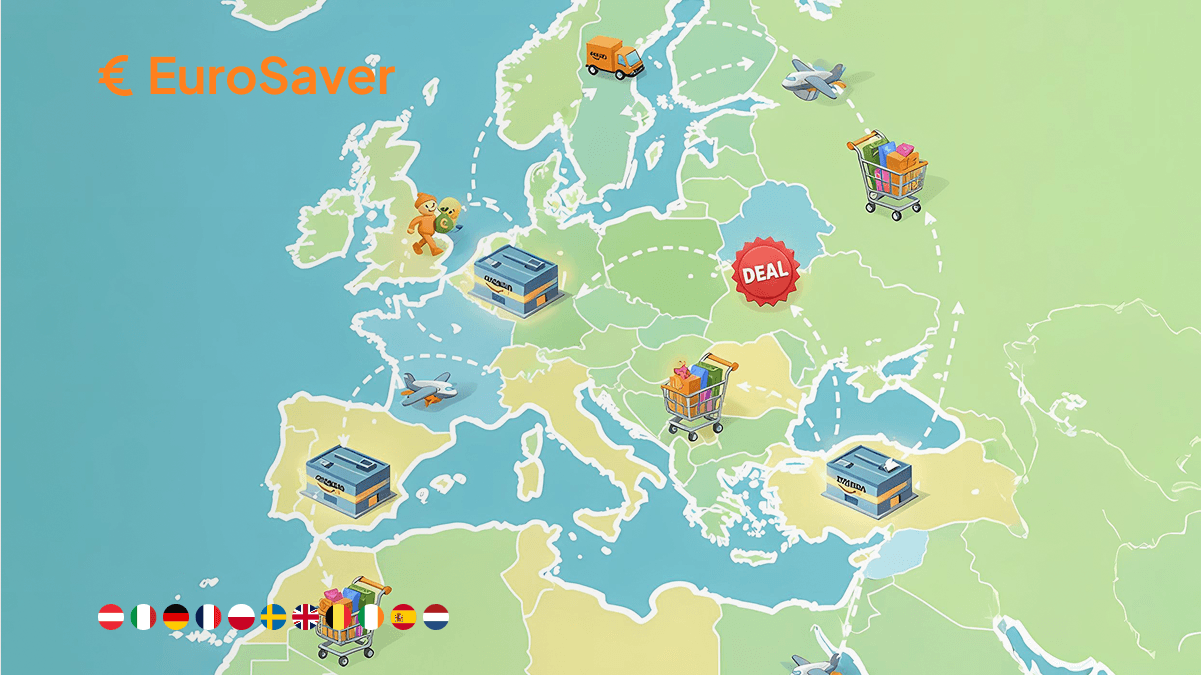
It’s always worth comparing Amazon prices across Europe when manufacturer-wide discounts, varying tax rates, or local oversupply cause prices to drop in neighboring European countries. If you check the platforms in Italy, Spain, France, or Poland before making a purchase, you’ll often find identical products at significantly lower prices. However, the final price always depends on shipping costs and currency conversion.
You often read general money-saving tips that are hard to put into practice. But price differences on Amazon Europe aren’t just a theoretical phenomenon. They arise every day due to regional demand, manufacturers’ varying distribution strategies, and local sales promotions. The following five everyday scenarios show exactly how and where the savings potential lies.
1. When electronics become noticeably cheaper in Italy or Spain
Electronics are among the product categories with the most dynamic price changes on Amazon's European network. Often, a particular country will lower the price of smartphones, headphones, or smart home devices, while the German store maintains its standard price. This is frequently due to country-specific excess inventory that needs to be sold off quickly.
A concrete real-world example clearly illustrates this effect. A well-known pair of wireless headphones normally costs 129 euros on amazon.de. On the same day, amazon.it offers the exact same model for 109 euros. Even if there are additional shipping fees of 5.50 euros for delivery from Italy to Germany, there’s still a real savings of 14.50 euros.

With more expensive electronic devices, such as cameras or laptops, the difference is often even more pronounced. Since warranties from major manufacturers are generally valid throughout Europe, buyers do not take on any technical risk when purchasing through the Italian or Spanish marketplaces.
2. When Local Discounts in Spain Lead to Toy Purchases
Around regional holidays or seasonal events, individual European Amazon sites often launch separate marketing campaigns. While amazon.de might focus on home and garden in the fall, amazon.es might be running a major discount promotion on toys and baby products at the same time. Anyone searching exclusively in the German store usually doesn’t hear about these discounts at all.
Especially for large brand-name playsets, whose prices remain stable in German stores, you can find good deals on the Spanish or French platforms. A large building block set might cost 89 euros in Germany, while in Spain it’s listed for 69 euros due to a local promotion. Since logistics centers in Europe are closely linked, the delivery time often differs by only a few days.
It’s therefore worth keeping an eye on European stores early on when planning gifts for birthdays or Christmas. Local sales are rarely synchronized globally.
3. Why Household Appliances Cost Less in France Despite Shipping Costs
Larger kitchen appliances, fully automatic coffee makers, or vacuum cleaners incur higher shipping costs when shipped from abroad due to their weight. However, experience shows that looking to France or the Netherlands often easily offsets the additional shipping cost.
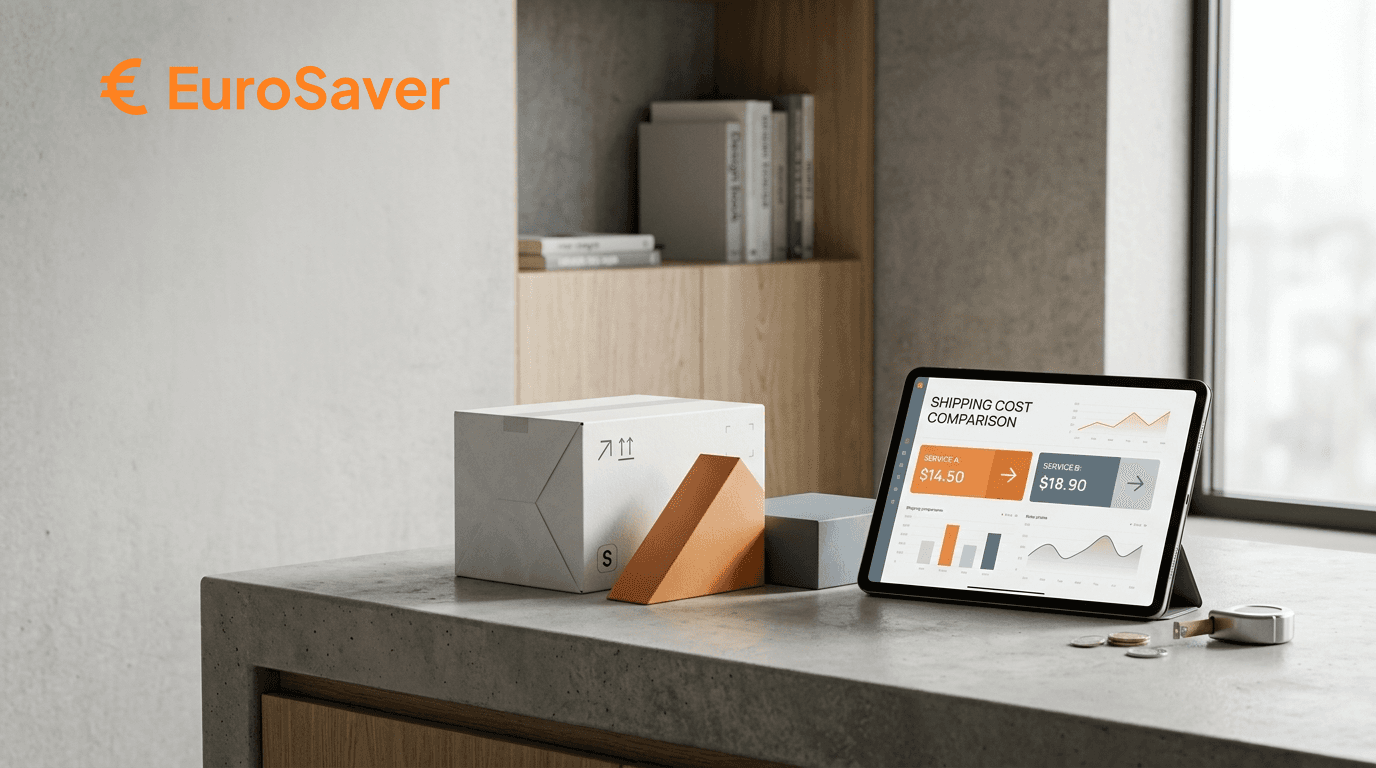
Let's say a food processor is listed on amazon.de for 349 euros. On amazon.fr, the same appliance is for sale for 299 euros. Because of the higher weight, Amazon charges 12 euros for shipping to Germany. The total cost in the French store thus comes to 311 euros. Despite the shipping costs, buyers in this scenario still save 38 euros compared to buying the item in their home country.

This case illustrates that you shouldn't be deterred by shipping costs across the board. Only when the final price is calculated in the last step of the ordering process can you determine whether the international offer actually makes financial sense.
4. When a cheap UK deal gets more expensive after checkout
Not every supposed best price abroad stands up to final scrutiny. Offers on amazon.co.uk, in particular, have harbored financial pitfalls since the United Kingdom’s exit from the EU—pitfalls that quickly negate the initial price advantage.
For example, a British offer for a tool set is listed at 39.99 GBP. At first glance, that seems extremely cheap, especially since the German price is 55 euros. However, after converting the currency at the current exchange rate, adding the surcharge for using a credit card in a non-euro country, and factoring in the significantly higher British shipping fees, the total comes out quite differently. Import fees are often added at checkout, so the final price suddenly comes to 58 euros. The supposed bargain is thus more expensive than the German offer.
For this reason, it is essential to carefully check currency conversions when making purchases outside the eurozone. You should never assume that the amount in pounds is equal to the amount in euros.
5. When the Marketplace price is tempting, but the Amazon offer is safer
A price comparison reveals not only differences between countries, but often also between Amazon itself and third-party marketplace sellers. If a Polish marketplace seller offers a product for five euros less than Amazon Germany, that appears to be a savings at first glance.
Here, however, buyers must weigh the factors of security and convenience. Buying directly through Amazon offers a standardized, customer-friendly process for any returns, defects, or delivery issues. When purchasing from an unknown marketplace seller abroad, the process of returning a defective device can be significantly more complicated and time-consuming, as a free return label is often not provided.
If the price difference is minimal, Amazon's own offering is usually the more sensible choice. A Europe-wide price comparison helps make this decision transparent by clearly side-by-side comparing offers from Amazon and Marketplace sellers.
How EuroSaver Simplifies Price Comparison Across Europe
Manually searching through five different Amazon country sites takes a lot of time. You have to log in to each platform, search for the product, calculate shipping costs, and, if necessary, convert currencies. That takes a lot of the fun out of saving money.
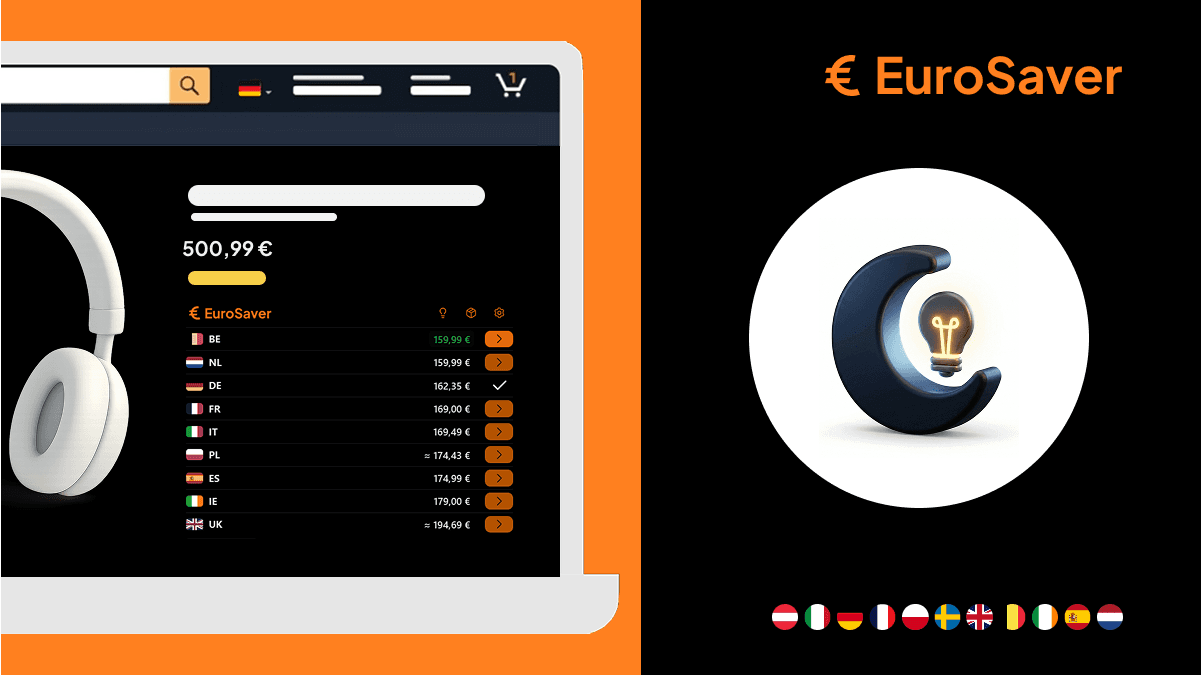
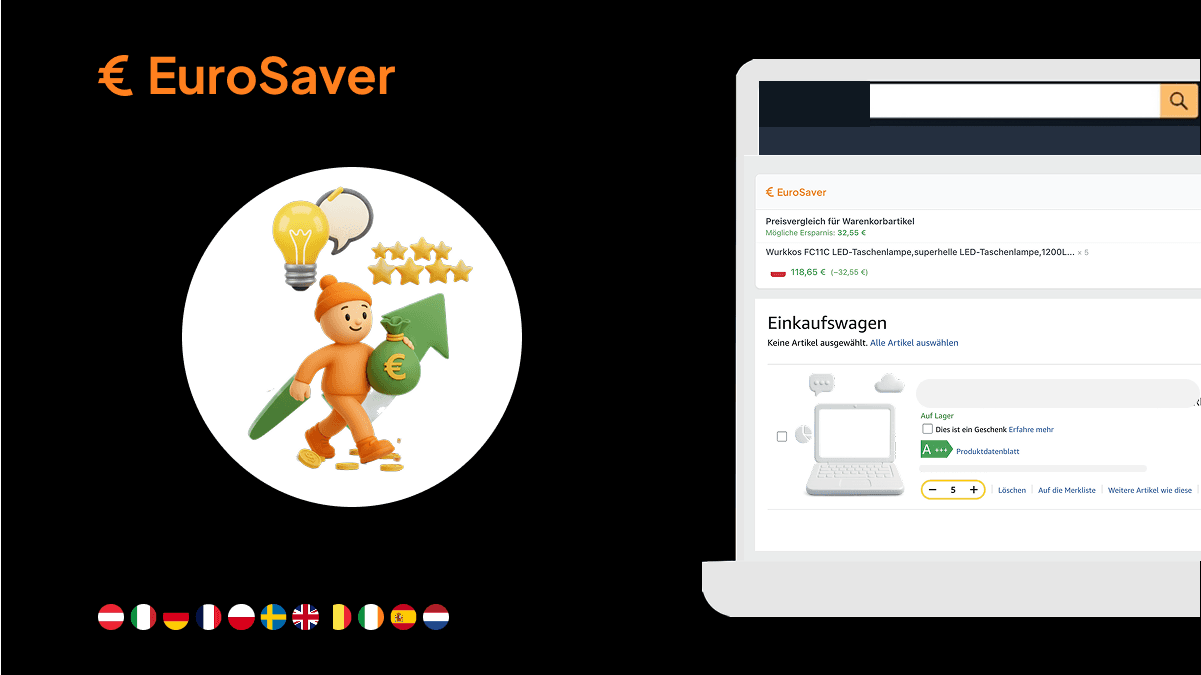
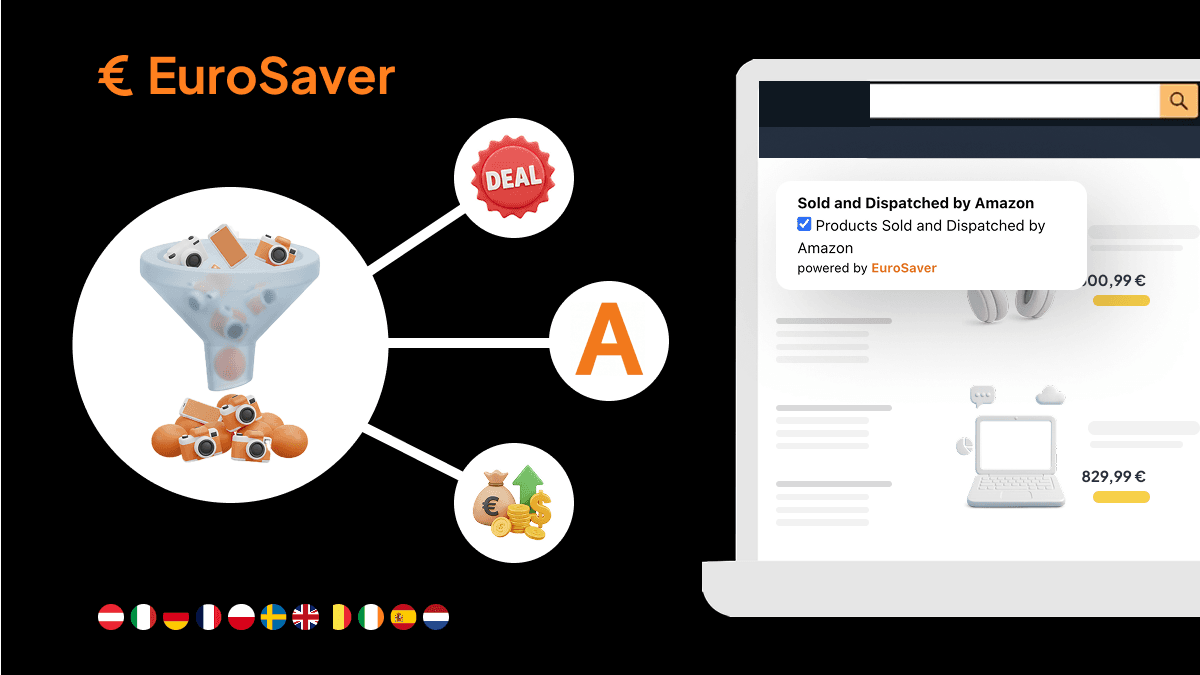
That's where EuroSaver comes in. This free tool automatically compares prices across various European Amazon marketplaces in the background while you're on a product page. It clearly shows whether the product is cheaper in Italy, Spain, or France and factors in the approximate shipping costs right away. This way, you can immediately see if it’s worth looking across the border without having to leave the current page.
You can find a quick introduction to how it works on the EuroSaver welcome page, which makes it easier for you to get started with the tool. Compared to standalone website search engines, such as those described in the article “eurosaver-vs-hagglezon,” a browser extension integrates directly into your normal shopping experience.
Install EuroSaver if you want to compare Amazon prices in Europe more quickly.
FAQ
Can I sign in with my German Amazon account while I'm abroad?
Yes, you can log in to almost all European Amazon marketplaces—such as amazon.it, amazon.fr, or amazon.es—using your regular German login credentials. No separate registration is required. Only for amazon.co.uk do you sometimes need to reconfirm your address information.
How much are the shipping costs when purchasing from other EU countries?
Shipping costs vary depending on the product's weight and country of origin. Generally, shipping fees for standard packages within the EU range from 4 to 12 euros. The exact cost will be displayed on the respective Amazon page during the final step of checkout before you complete your purchase.
How does the return process work if I placed an order from abroad?
If the product was sold and shipped directly by Amazon, you can use the standard returns center for that country. You will often receive an international return label. For Marketplace sellers, the terms depend on the individual seller, so you should check the return policy in advance when dealing with smaller sellers.