Cashback on Amazon: what those percentages are really worth
The honest calculation, the common failures and why price comparison comes first
Cashback on Amazon gets sold as a rain of money. Reality is more sober: rates on Amazon stay low, and part of your shopping does not pay out at all. Whoever spends £100 a month can hope for a few pounds a year — unless the extra mechanisms stack.
This text shows the honest calculation, the conditions where most fail, and what to do instead first.
How cashback on Amazon works at all
Cashback is not a gift from Amazon but a passed-along advertising commission. A portal refers you to the shop, receives a fee for that and passes part of it back to you.
From this follows the capital rule: the route to the shop decides. Whoever buys directly on Amazon generates no commission and therefore no refund. The purchase must start from the portal.
That also explains why Amazon rates sit so low. Amazon pays intermediaries considerably less than smaller retailers who need new customers more urgently. Double-digit cashback rates you will never find at Amazon.
Why claims so often fail
Here most stumble, over conditions hardly anyone knows:
- Start the purchase from the portal's app or website via its Amazon tile. Going directly to Amazon triggers nothing.
- Your basket must be empty before entering through the portal.
- Complete the purchase quickly; articles sitting longer than 24 hours in the basket do not count.
- Accept cookies on the Amazon page or tracking will not function.
The credit arrives days after purchase, initially held pending, released once the return window closes.
The exclusions weighing more than the rate
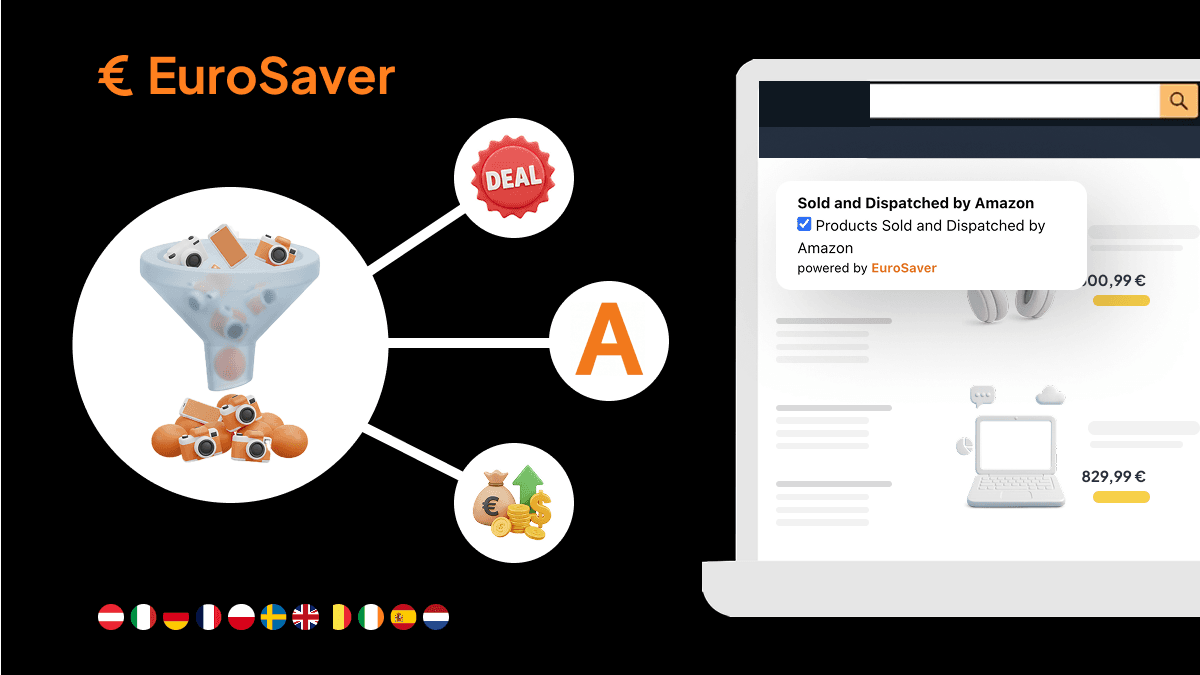
More important than any percentage: exclusions. Typically excluded from cashback are marketplace third-party articles, books and digital subscriptions. The filter applies only at settlement, not at click. A mixed basket may contain five articles of which only two end up counting. Before buying check whether Amazon itself sells and dispatches the article.
Minimum payout thresholds at portals commonly start around £15–20 — at Amazon rates that takes a while to reach.
What remains by year's end
Let us calculate cleanly for someone spending £100 a month on Amazon, i.e. £1,200 a year.
Without effort, just routed through a portal: single-digit pounds. With every multiplier systematically activated maybe £15–25. One-off welcome bonuses come on top.
It is not a side income. It is a rebate on expenses you would have made anyway, costing about ten seconds per purchase. Treat it accordingly: a small thing taken along, not a savings strategy.
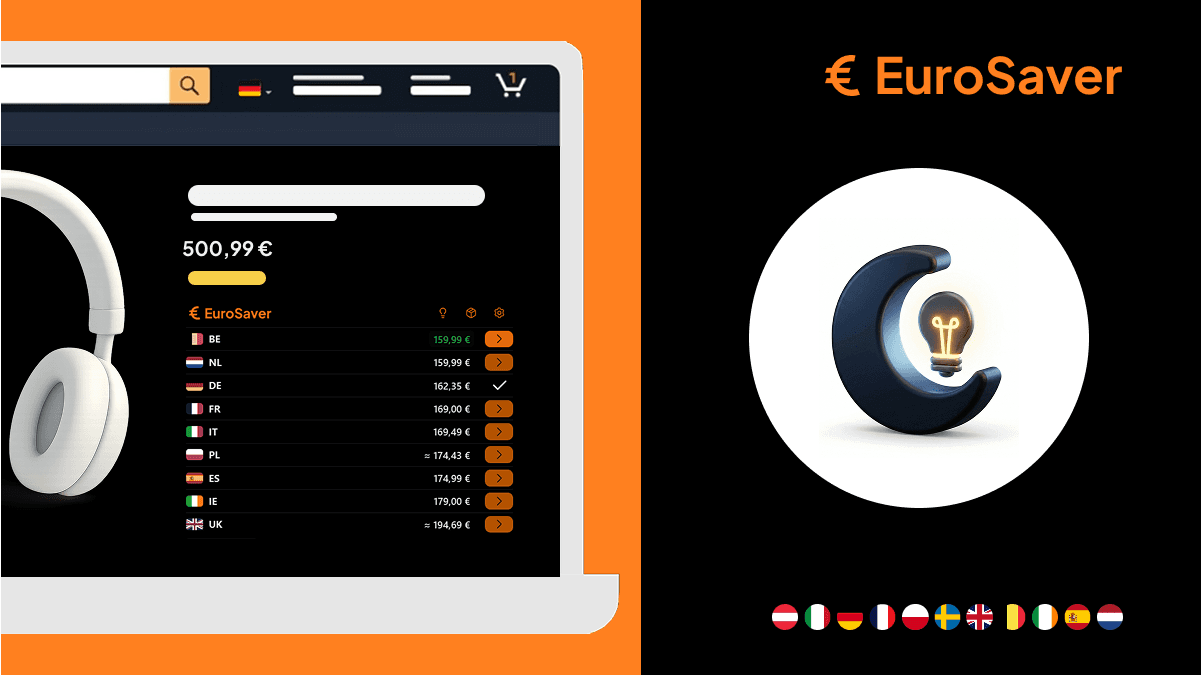
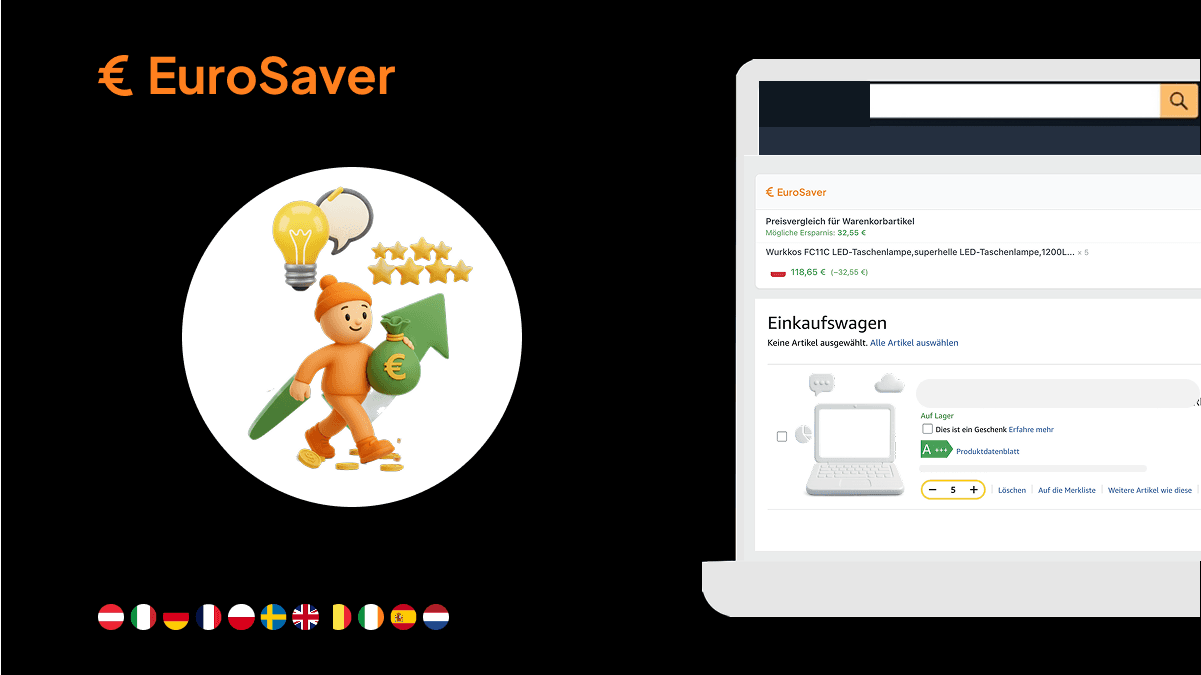
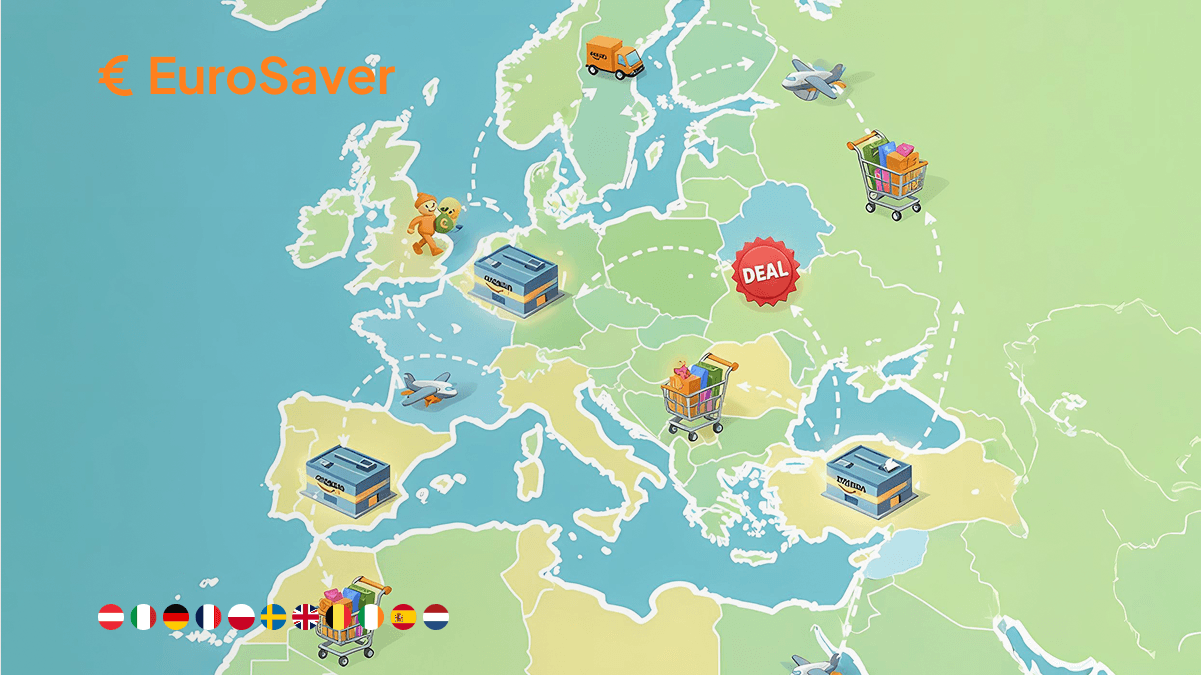
Considerably more you gain by checking before buying whether the same article costs less in another European Amazon store. Differences of 10 to 20 percent are common there and that beats any cashback programme by lengths. How it works stands in Amazon EU price comparison.
Is the effort worth it?
For UK shoppers the calculation differs from continental readers': goods from EU stores carry import charges after arrival which usually outweigh small rebates. Within amazon.co.uk itself cashback portals exist — before signing up anywhere, compare their current Amazon rates and payout terms; they change frequently and some listings exclude whole categories.
And in every case holds: compare the price first, then the cashback. An offer £15 cheaper beats pennies of refund.
Install EuroSaver and see at your next purchase where the article really costs least.