Spotting genuine discounts: how to check offers on Prime Day and Black Friday
Read strikethrough prices, RRP and price histories properly before buying

On big promo days not every price displayed as reduced actually falls. Some items cost the same three weeks earlier; others were cheaper in summer; and yet others are simultaneously cheaper at another Amazon store with no campaign at all.
That is no reason to avoid promo days. Genuine drops exist, especially on electronics and Amazon's own devices. It is only a reason to spend three minutes checking before reacting to a countdown. This guide shows what you look at.
The dates and what typically pays off at each event sit in our posts on Prime Day and Black Friday.
The strikethrough price says less than you think
The crossed-out figure next to an offer is rarely what anyone last paid. Amazon usually draws on the manufacturer's recommended retail price or an old list price.
On electronics the RRP often sits well above what a device actually sells for. Headphones with an RRP of £349 that have hovered around £279 for months get advertised on promo day with «50 percent off» at £175. The real reduction against market price is then not 50 but roughly 37 percent. Still good — but a different number.
Keep the rule of thumb: the percentage refers to a reference price you do not know. Only the absolute amount matters — and that one you compare yourself.
Check the price history, not the discount
The decisive question is not «how many percent» but «what did this thing cost over the last six months». Services like Keepa or camelcamelcamel log Amazon's price history and answer that within seconds.
Two patterns recur regularly. In the first, the price rises two to four weeks before the big day and then falls back to roughly the old level; the advertised discount refers to that artificially pumped intermediate peak. In the second, the promo price matches exactly the level already reached several times this year. Then it is no special offer but the usual floor price, buyable without haste.
A genuine deal is recognisable because the price drops below everything the past year's history shows.
The look towards other Amazon stores
This is where promo days become particularly interesting, because campaigns do not run synchronised. Amazon Spain may carry an item as a flash offer while the same product has sat below that for weeks at regular price on amazon.fr. And vice versa.
That means two things. A Spanish promo is not automatically the best available price, even within Amazon. And an item currently undiscounted here may still be the cheapest, because another store runs its own campaign.
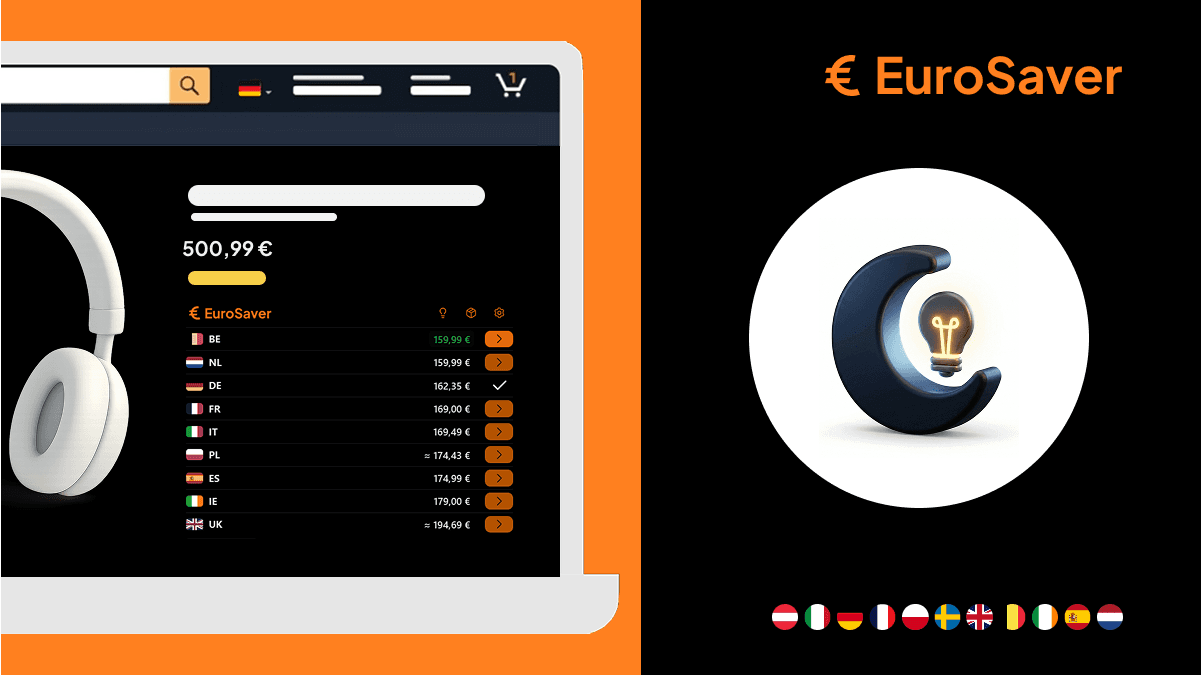
So cross-country comparison becomes more valuable on promo days than usual, not less. How it works: Amazon EU price comparison.
Flash offers: the countdown is part of the offer
Time-limited offers with a running clock are designed to prevent exactly the verification described here. Not a conspiracy, simply how they function.
Two remedies help. First: before promo day prepare a list of concrete articles plus the price at which you would buy. Whoever knows in advance the camera is a buy from £600 needs to decide nothing under pressure. Second: for anything not on that list, the countdown is a reason NOT to buy. Until then the article was not important enough to think about.
Who sells also decides
On promo days more third-party sellers crowd onto the marketplace, and in a foreign store the reference price is missing to unmask an inflated offer as such.
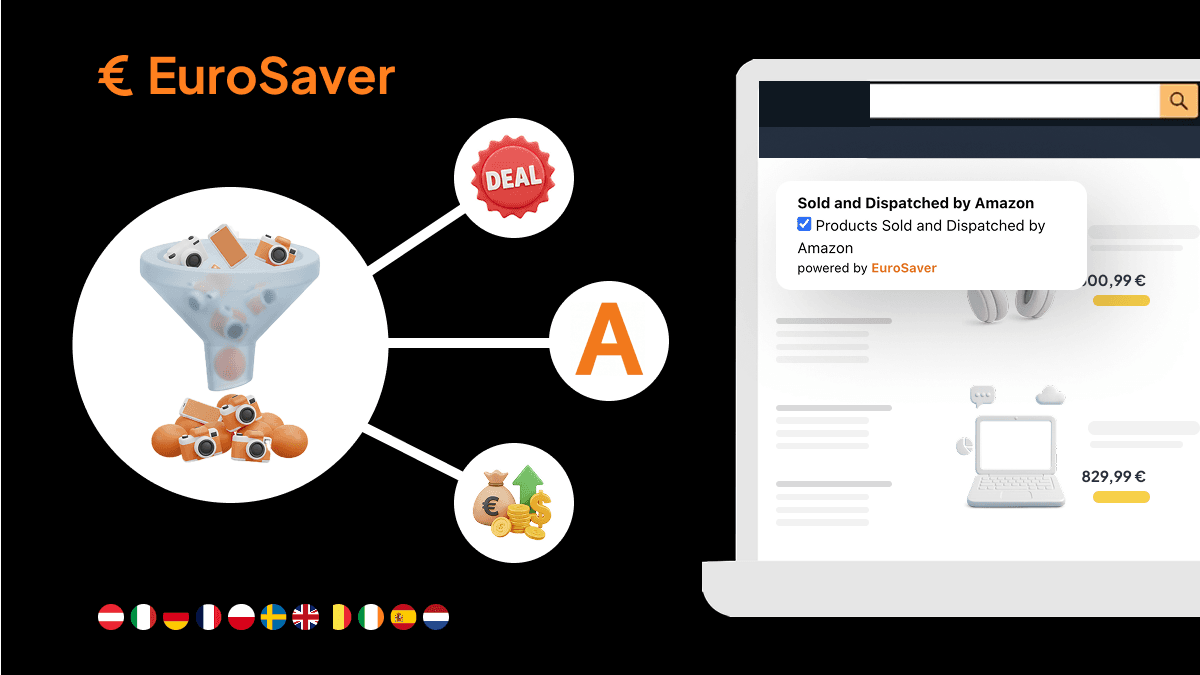
Check therefore whether the offer field reads «Dispatched from and sold by Amazon». That secures not only the regular price but also a clear point of contact for returns and statutory rights. How to filter directly in the Amazon search we show in How to find products dispatched from and sold by Amazon.
The final total appears at checkout
Orders from another store add shipping costs, charged per order and not per article. Anyone shopping in three countries on promo day pays them three times. Instead of any VAT adjustment, UK import charges apply after purchase on goods arriving from EU stores: 20 percent import VAT plus courier fees.
Factor both in before comparing two offers. Details in Amazon price comparison including shipping costs and, for stores outside the eurozone, Amazon currency conversion.
The three-minute check
Standing before an offer on a promo day, it comes down to three questions:
What did the article cost over the last six months? Does the promo price go below that, or only reach the usual floor?
What does it cost right now at the other Amazon stores, shipping included?
Is Amazon itself selling, or a third party?
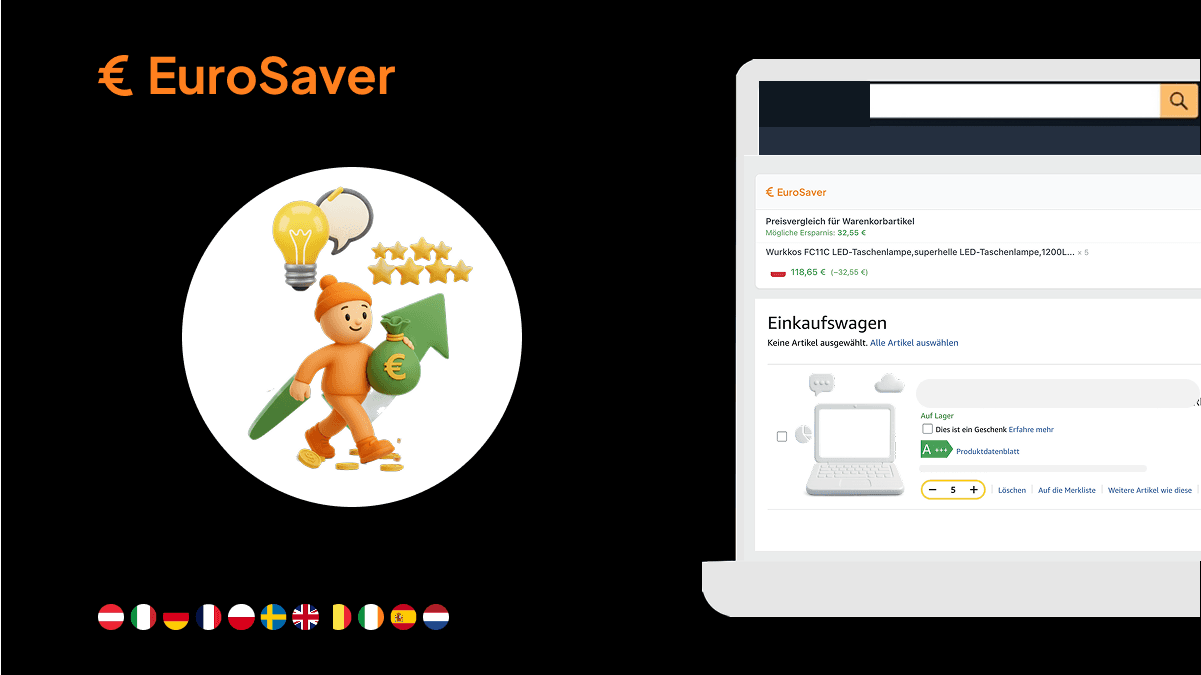
The first question a price history service answers. The second and third EuroSaver takes over directly on the product page: prices of activated stores, currencies converted, shipping included, without switching tabs. On a day when offers expire within minutes that is precisely the difference between checking and guessing.